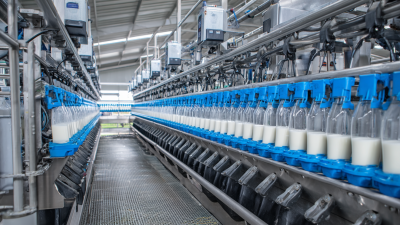
| Automated Milking System |
Automates teat preparation, milking, post-milking treatment, and basic milking records. |
Can support voluntary milking schedules and reduce routine labor demand. Actual throughput depends on herd size, cow traffic, and equipment configuration. |
Improves labor efficiency and provides frequent cow-level information for earlier health and production management. |
Small to medium herds with suitable barn layouts and reliable technical support. |
Requires capital investment, staff training, regular cleaning, and dependable electricity and connectivity. |
High efficiency potential |
| Variable-Speed Vacuum Pump |
Adjusts milking-system vacuum output to match real-time demand. |
May reduce vacuum-pump electricity consumption by approximately 20%–50% compared with fixed-speed operation, depending on system design and operating conditions. |
Lower electricity use, reduced heat generation, and quieter milking facilities. |
Parlors or milking systems with fluctuating milking demand. |
Correct pump sizing, sensor calibration, and professional installation are important for stable vacuum control. |
Strong energy payback |
| Milk Heat-Recovery Unit |
Captures heat removed during bulk milk cooling to preheat water. |
Can provide a substantial share of the warm water needed for cleaning; savings depend on milk volume, cooling efficiency, and hot-water demand. |
Reduces water-heating fuel or electricity consumption and improves overall refrigeration efficiency. |
Farms with daily milk cooling and significant wash-water requirements. |
Must be correctly integrated with the refrigeration and hot-water systems; water quality and hygiene controls remain essential. |
High resource efficiency |
| High-Efficiency Milk Cooling System |
Rapidly cools milk to preserve quality and maintain storage temperature. |
Modern refrigeration systems can reduce cooling energy use through improved compressors, controls, insulation, and heat exchange. |
Lower electricity consumption, reduced spoilage risk, and improved milk-quality consistency. |
All dairy farms, especially operations replacing older bulk tanks. |
Equipment should be sized for peak milk volume and compatible with heat recovery where possible. |
Essential efficiency upgrade |
| Precision Feeding and Ration-Management Software |
Uses feed analysis, intake records, production data, and animal groups to refine rations. |
Can reduce overfeeding and improve feed conversion when supported by accurate forage testing and regular ration monitoring. |
Less feed waste, improved nutrient-use efficiency, and lower emissions intensity per unit of milk. |
Farms with multiple animal groups, mixed rations, or variable forage quality. |
Results depend on reliable feed testing, accurate inventory records, and cooperation among nutrition and farm-management staff. |
High management value |
| Wearable Cow-Health Sensors |
Monitors activity, rumination, temperature, or other indicators related to health and reproduction. |
Provides continuous or frequent alerts that may support earlier investigation of illness, heat, or calving-related changes. |
Supports preventive care, reduces avoidable production losses, and improves labor prioritization. |
Herds seeking data-based health and reproduction management. |
Alerts should be verified by trained personnel; connectivity, battery life, and data integration affect usefulness. |
High information value |
| Solar Photovoltaic System |
Generates on-site electricity for milking, cooling, ventilation, pumping, and lighting. |
Annual electricity offset depends on system size, solar resource, roof or ground orientation, and farm load profile. |
Reduces purchased electricity and can lower exposure to grid-price changes and peak demand charges. |
Farms with suitable roof or ground area and consistent daytime electricity demand. |
Requires structural assessment, electrical interconnection approval, safe maintenance access, and appropriate financing. |
Strong long-term potential |
| Anaerobic Digestion System |
Treats manure and other suitable organic materials while producing biogas. |
Captures methane that would otherwise be released from unmanaged manure storage and can produce heat or electricity. |
Renewable energy generation, odor reduction, improved manure handling, and potential greenhouse-gas mitigation. |
Medium to large farms or cooperative systems with sufficient manure volume and technical support. |
Feasibility depends on feedstock consistency, permitting, digestate management, safety systems, and a reliable energy-use plan. |
High impact, site specific |
| Low-Emission Manure Storage Cover |
Covers slurry or liquid-manure storage areas to reduce exposure to air and rainfall. |
Can reduce odor and rainfall dilution; emission reductions vary with cover type, storage design, and manure characteristics. |
Helps conserve manure nutrients, reduce storage volume increases, and limit emissions from open storage. |
Farms using outdoor liquid-manure storage or lagoons. |
Cover design must allow safe agitation, inspection, gas management, and access for filling and emptying. |
Practical environmental upgrade |
| Manure Separator |
Separates liquid and fiber fractions from manure for different storage or reuse pathways. |
Can improve handling flexibility and produce a drier fiber fraction suitable for bedding or composting when properly managed. |
Supports nutrient distribution, reduces hauling difficulty, and may increase the usefulness of recovered fiber. |
Farms with liquid manure systems and a practical use for separated solids. |
Electricity use, maintenance, solids quality, and pathogen-control requirements should be evaluated before purchase. |
Good manure-management value |
| LED Barn and Yard Lighting |
Provides efficient lighting for milking areas, barns, feed alleys, workshops, and yards. |
LED fixtures commonly use about 50%–75% less electricity than comparable conventional lighting and generally last longer. |
Reduces energy use, replacement frequency, and maintenance labor while improving work visibility. |
Any dairy operation replacing fluorescent, metal-halide, or other older fixtures. |
Select fixtures rated for moisture, dust, ammonia, wash-down conditions, and livestock-safe installation. |
Low-cost efficiency measure |
| Water-Reuse and Wash-Water Management System |
Collects, treats, or redirects suitable water from cooling and cleaning processes for approved secondary uses. |
Potential water savings depend on local regulations, water quality, cleaning procedures, and the selected reuse pathway. |
Reduces freshwater demand and wastewater volume without compromising milk-hygiene standards. |
Farms with high wash-water demand and suitable separate drainage systems. |
Potable-water protection, backflow prevention, sanitation, and regulatory compliance are mandatory. |
High water-saving potential |
| Automated Ventilation and Climate Controls |
Controls fans, curtains, inlets, and cooling equipment according to temperature and humidity conditions. |
Improves airflow consistency and can reduce unnecessary fan runtime when controls are correctly configured. |
Supports heat-stress management, animal comfort, productivity, and more efficient electricity use. |
Freestall barns, calf facilities, and mechanically ventilated buildings. |
Sensors must be positioned correctly and maintained; backup operation is advisable for extreme weather or power interruptions. |
High animal-welfare value |