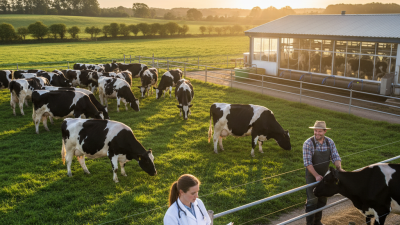

China’s dairy market is broad, competitive, and difficult to judge from brand recognition alone. This guide examines leading dairy products milk suppliers through practical evidence, not advertising claims. The review considers product consistency, farm sourcing, processing capacity, cold-chain management, food-safety controls, export experience, and customer support.
Major names such as Yili, Mengniu, Bright Dairy, Junlebao, and international suppliers serve different purchasing needs. Some focus on liquid milk and yogurt. Others provide milk powder, whey, butter, cheese, or industrial dairy ingredients. A reliable supplier should provide traceability records, laboratory testing, clear specifications, and stable delivery performance. Certifications matter, but they should support real operating evidence.
Dairy scientist Dr. David M. Barbano has emphasized, “Milk quality is a shared responsibility from the farm to the consumer.” This principle guides our comparison of dairy products milk suppliers in China. Quality begins with animal health and farm hygiene. It continues through collection, pasteurization, packaging, storage, and transport. A supplier may offer impressive facilities yet still disappoint on communication or delivery accuracy. No supplier is perfect. That deserves honest attention.
Buyers should compare fat content, protein levels, shelf life, packaging formats, minimum order quantities, and total logistics costs. They should also request recent test reports and confirm whether specifications match their market. The best choice depends on purpose, budget, and risk tolerance. This article offers a practical starting point, while encouraging buyers to verify every important claim before signing a contract.
China’s dairy industry is large, diverse, and still changing. The National Bureau of Statistics reported about 41.97 million tonnes of raw milk production in 2023. Output weakened in 2024, revealing pressure from oversupply and lower farm profitability. This matters when assessing suppliers. A reliable supplier needs stable farms, tested feed systems, transparent processing, and dependable cold-chain delivery.
The market has several layers. Large processors handle nationwide distribution, while regional dairies serve nearby cities and provinces. Smaller farms often sell through cooperatives or contract processors. Imported ingredients also support some products, especially milk powder and infant nutrition. The USDA Foreign Agricultural Service’s 2024 China Dairy and Products Annual identified slower demand growth and inventory pressure as important market issues.
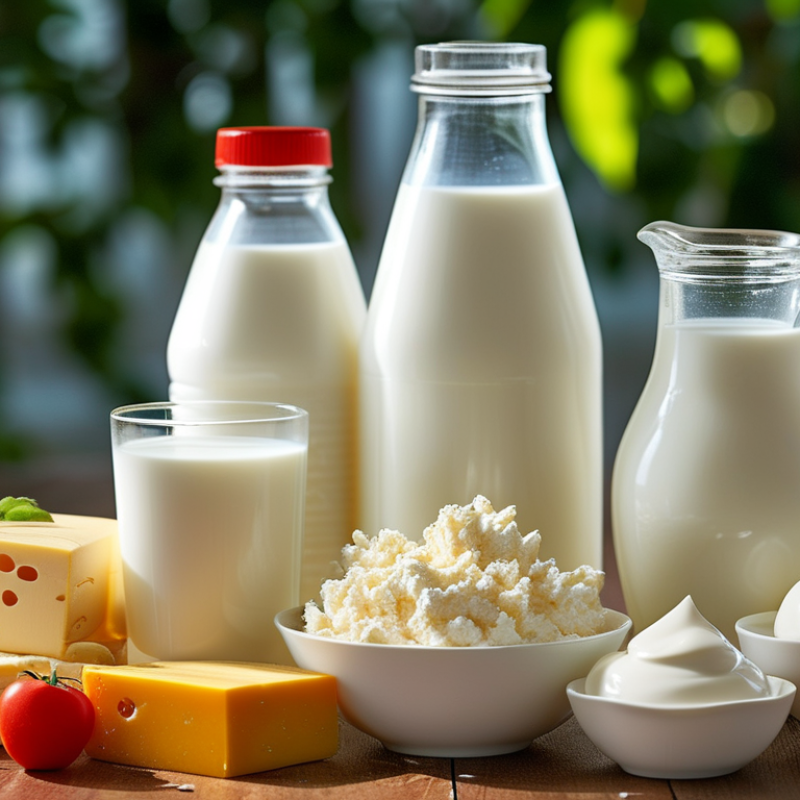
Product categories are equally broad. UHT milk remains practical for households without daily fresh delivery. Chilled milk and yogurt depend more heavily on refrigerated transport. Milk powder supports food manufacturing and household storage. Cheese is expanding from restaurants into supermarkets, although per-capita consumption remains low compared with mature dairy markets. Ice cream follows seasonal demand.
The structure is imperfect.
Supplier selection should therefore match the product. For fresh yogurt, delivery speed and temperature records matter most. For powder, moisture control, origin documentation, and batch testing deserve closer attention. China’s dairy market offers scale, but scale alone does not prove quality. The difficult question is whether published data reflects everyday performance.
China’s leading milk and dairy product suppliers serve a market shaped by scale, regional demand, and stricter quality control. The National Bureau of Statistics reported about 41.97 million tonnes of raw milk production in 2023. USDA’s Dairy and Products Annual 2024 also described slower production growth and tighter margins. These figures make supplier selection more complex than comparing prices.
Reliable suppliers usually combine large-scale farms, standardized processing, and refrigerated distribution. Their product range may include pasteurized milk, UHT milk, milk powder, yogurt, cheese, and infant nutrition ingredients. A practical audit should examine farm traceability, antibiotic testing, somatic cell counts, cold-chain records, and recall procedures. Check the factory floor.
The China Dairy Industry Association’s industry reports highlight continuing investment in automation, breeding efficiency, and quality management. Suppliers serving schools, hotels, and food manufacturers should provide batch certificates and stable delivery schedules. Packaging also matters: damaged cartons, swollen cups, or unclear temperature records can reveal weak logistics. However, production capacity alone does not prove reliability. Smaller regional processors may offer fresher products, while larger suppliers often provide stronger documentation and wider distribution. This trade-off deserves closer review. Tier-two cities can expose service gaps that national sales materials rarely mention.
Choosing the best dairy supplier in China requires more than comparing prices. Reliable evaluation starts with product safety, traceability, and consistent delivery. Ask for current quality certificates, laboratory reports, and production records. The documents should match the actual facility and product category.
Look closely at the cold chain. Milk and other chilled products need controlled temperatures from processing to arrival. Request shipment temperature logs, storage procedures, and emergency plans. A useful supplier can trace a batch from the farm, through processing, to the customer’s warehouse. Clear allergen controls and regular testing for bacteria, residues, and contaminants also matter.
Production capacity must match your order size and schedule. Visit the facility when possible. Check sanitation routines, equipment maintenance, worker training, and how samples are retained. Speak with quality managers, not only sales staff. Their answers should be specific and supported by records. A certificate alone is not enough.
Commercial reliability deserves equal attention. Review lead times, minimum orders, payment terms, packaging options, and complaint handling. Ask how quickly the supplier reports a failed test or delayed shipment. Honest answers are valuable. No supplier performs perfectly every day, and some information may still need verification. That is where careful audits and independent testing become important. A polished presentation can hide weak controls. Practical evidence should decide.
The chart presents selected physicochemical reference points for raw milk under China’s national standard GB 19301-2010. Supplier assessments should also verify food-production licensing, traceability, laboratory testing, cold-chain controls, and compliance with applicable dairy-product standards. The values use different measurement units and are not intended for direct numerical ranking.
Reference: GB 19301-2010, National Food Safety Standard—Raw Milk.
China’s strongest dairy suppliers are shaped by geography, not just production volume. The National Bureau of Statistics reported about 41.97 million metric tons of milk output in 2023. Northern regions, including Inner Mongolia, Heilongjiang, Hebei, and Xinjiang, benefit from larger farms, feed access, and extensive pasture systems. These areas support bulk processing and long-distance shipment. However, climate differences raise operating costs, especially during winter and summer temperature extremes.
Distribution strength is concentrated around major consumption centers. Eastern and southern cities require dependable refrigerated transport, warehouse hubs, and frequent replenishment. The USDA Foreign Agricultural Service’s 2024 Dairy and Products report identifies China’s continued reliance on efficient domestic logistics to serve urban demand. In practice, suppliers often move products through regional cold-chain centers near Beijing, Shanghai, Guangzhou, and Chengdu. Shorter routes usually protect freshness and reduce handling risk.
The network is not perfectly balanced. Remote producers may have strong output but weaker access to premium retail channels. Smaller regional processors can respond quickly, yet their quality systems may vary. The China Cold Chain Logistics Alliance has repeatedly highlighted gaps in rural cold storage and transport capacity. Buyers should therefore assess delivery records, temperature monitoring, processing certifications, and backup warehouses—not only milk volume. Regional fit matters. A supplier close to the customer may outperform a larger producer farther away.
| Region | Primary Dairy Strength | Typical Milk-Source Base | Main Product Categories | Key Distribution Markets | Distribution Network Characteristics | Overall Supply Advantage |
|---|---|---|---|---|---|---|
| Inner Mongolia | One of China’s largest dairy production regions, supported by extensive pasture and large-scale farms. | Large dairy farms and feed bases across the central and eastern grassland areas. | UHT milk, milk powder, infant formula, yogurt, cheese and butter. | North China, Northeast China, the Yangtze River Delta and nationwide retail channels. | Strong interprovincial shipment capability using ambient distribution for UHT products and refrigerated logistics for fresh dairy. | Very strong |
| Heilongjiang | Important high-latitude milk-producing area with established dairy farming and processing capacity. | Large-scale farms supported by fertile agricultural land and feed-crop production. | Fresh milk, UHT milk, milk powder, yogurt and cheese ingredients. | Northeast China, North China and selected national markets. | Efficient rail and highway links support movement to northeastern cities and northern processing centers. | Very strong |
| Hebei | Major milk-supply base serving the large consumer markets around Beijing and Tianjin. | Modern dairy farms located near feed-production areas and major urban demand centers. | Fresh milk, yogurt, UHT milk, cream and other chilled products. | Beijing, Tianjin, Hebei, Shanxi, Shandong and surrounding North China markets. | Shorter farm-to-market distances enable frequent refrigerated delivery and fast store replenishment. | Very strong |
| Shandong | Diverse agricultural base and strong food-processing ecosystem suitable for dairy manufacturing. | Regional dairy farms supported by extensive grain, corn and forage production. | Pasteurized milk, yogurt, UHT milk, cheese, cream and dairy ingredients. | East China, North China and coastal wholesale markets. | Dense highways, ports and cold-chain warehouses support both domestic distribution and export-oriented logistics. | Strong |
| Henan | Central location provides a practical base for dairy processing and nationwide shipment. | Milk sourced from regional farms and nearby northern dairy-producing provinces. | UHT milk, yogurt, milk powder and institutional dairy products. | Central China, North China, Southwest China and the lower Yangtze region. | Central railway and expressway connections make Henan suitable for multi-region distribution. | Strong |
| Xinjiang | Growing dairy and livestock sector with access to agricultural land, forage and cross-border logistics. | Large farms and agricultural areas supported by locally produced feed and forage. | Milk powder, UHT milk, yogurt and selected dairy ingredients. | Northwest China, Central Asia-linked trade corridors and selected national markets. | Long-distance transport favors shelf-stable products, while major cities rely on regional refrigerated distribution. | Strong regional |
| Ningxia | Specialized dairy and livestock region with favorable conditions for concentrated processing. | Modern farms supported by irrigated agriculture and locally available feed resources. | Milk powder, UHT milk, yogurt and dairy-based nutritional products. | Northwest China, North China and selected institutional channels. | Highway connections to inland markets support ambient products and temperature-controlled shipments. | Strong regional |
| Sichuan | Large consumer market and strong food-processing base in Southwest China. | Regional farms in the Sichuan Basin and nearby plateau and mountain areas. | Fresh milk, yogurt, UHT milk, cheese and regional specialty dairy products. | Sichuan, Chongqing, Yunnan, Guizhou and Tibet-related markets. | Chengdu and Chongqing act as important cold-chain and wholesale nodes for Southwest China. | Strong regional |
| Yunnan | Suitable climate and highland agriculture support fresh dairy and specialty dairy production. | Highland farms and smaller regional milk-collection networks. | Fresh milk, yogurt, cheese and premium or specialty dairy products. | Yunnan, Southwest China, tourism markets and selected urban retail channels. | Regional cold-chain networks are concentrated around Kunming and major city clusters. | Strong regional |
| Guangdong | Major consumption and import-distribution hub rather than a primary raw-milk production center. | Local farms supplemented by milk and dairy ingredients transported from northern and central regions. | Fresh milk, yogurt, cheese, cream, infant nutrition products and imported dairy ingredients. | Greater Bay Area, South China, Southeast Asian trade channels and national e-commerce markets. | Shenzhen, Guangzhou and surrounding ports provide strong warehousing, cold-chain and import-distribution capacity. | Very strong distribution |
| Jiangsu and Zhejiang | High-value consumer markets with advanced cold-chain, retail and food-service infrastructure. | Local production supplemented by milk and dairy products from northern and central China. | Pasteurized milk, yogurt, cheese, cream, functional dairy and food-service ingredients. | Shanghai, the Yangtze River Delta and major eastern coastal cities. | Dense urban distribution, modern retail, e-commerce fulfillment and refrigerated last-mile delivery. | Very strong distribution |
The best Chinese dairy suppliers are not always the cheapest. They are the suppliers that can prove consistent quality. A clean website proves little. Look for documented experience with your product category, export markets, and packaging format. Ask for business licenses, food production qualifications, test reports, and current quality certificates. Verify issuing bodies and dates. Certificates can expire. That detail is easy to miss. Request product specifications covering fat content, moisture, allergens, ingredients, shelf life, and storage temperature. An experienced supplier should answer precisely, not vaguely.
Traceability should reach the farm, processing line, and shipment batch. Ask how raw milk is tested and how rejected material is isolated. Review cold-chain controls from factory loading to arrival. Temperature logs, seal numbers, and loading photographs provide useful evidence. Independent laboratory testing is wise, especially for the first order. A sample may pass while a later batch changes. That risk deserves attention. Consider a small trial shipment before signing a large contract. It reveals response speed, packing quality, and delivery discipline.
Visit the facility when possible, or arrange a live video audit with a technical checklist. Inspect sanitation zones, metal detection, pest control, worker hygiene, and warehouse conditions. Confirm production capacity during peak seasons. Ask about backup equipment and emergency communication. Reliable suppliers explain problems early and document corrective actions. Price matters, but unstable quality costs more through returns and lost trust. No checklist is perfect. Continue reviewing performance through complaint rates, test results, delivery records, and customer feedback.