What Is Dairy Production Equipment?
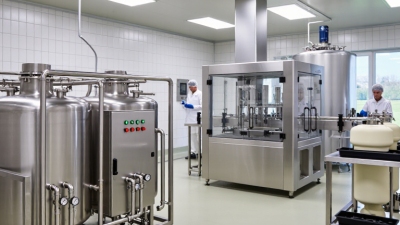
Dairy production equipment is the connected set of machines and controls that moves milk from the farm or receiving dock into safe, consistent products. It includes milking systems, stainless-steel storage tanks, pumps, filters, separators, pasteurizers, homogenizers, cleaning systems, and filling lines. Each component has a specific job. A temperature sensor, for example, helps operators monitor heating, while a sanitary valve directs milk between processing stages. Small details matter.
The scale is substantial. The FAO reported that global milk production reached about 944 million tonnes in 2023. That volume depends on reliable collection, cooling, processing, and packaging—not one machine alone. The International Dairy Federation’s World Dairy Situation reports also track production and processing trends across countries, offering useful context for equipment planning. Figures vary by source and coverage, so they should guide questions, not replace plant-specific assessment.
Dairy scientist Dr. John Lucey, director of the University of Wisconsin Center for Dairy Research, studies how processing affects dairy products. A non-verbatim summary of the engineering lesson reflected in his work is: “Protect milk quality at every processing step.” This is a useful lens, not a substitute for his exact wording. Equipment selection should fit the product, throughput, cleaning needs, and available technical support. A high-capacity line can still be a poor choice if it creates bottlenecks or is difficult to maintain. And the overlooked part? Routine calibration and cleaning often determine whether sophisticated equipment performs as intended.
Definition and Scope of Dairy Production Equipment
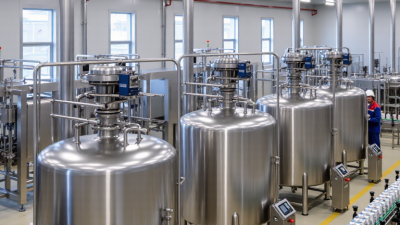
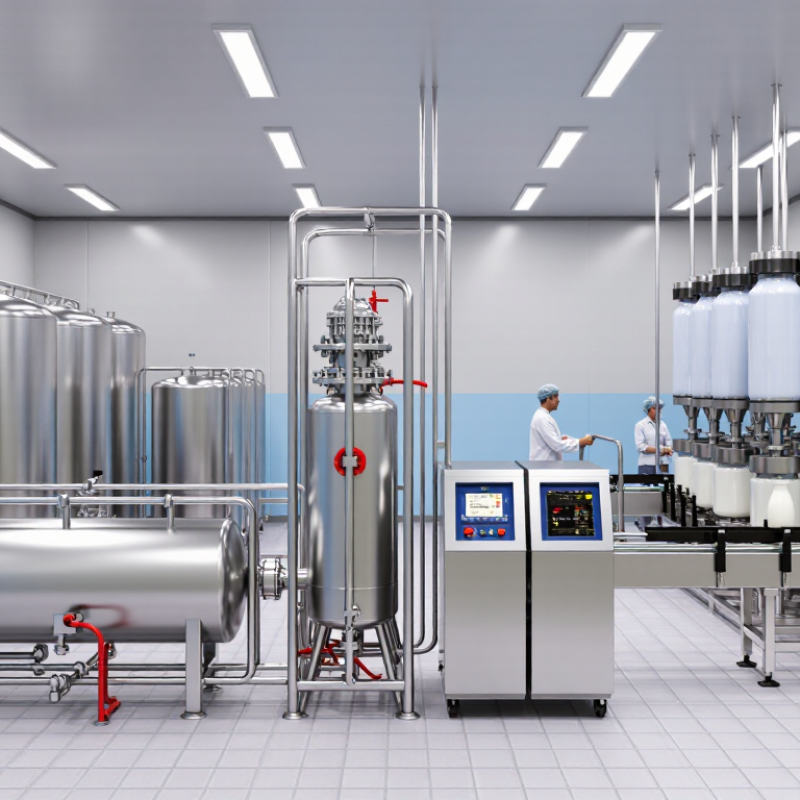
Dairy production equipment covers the machines and systems used to move milk from collection through processing and packaging. Its exact scope depends on the facility. On a farm, it may include milking units, milk lines, cooling tanks, and cleaning systems. In a processing plant, it can extend to storage silos, filters, pasteurizers, homogenizers, separators, pumps, filling machines, and quality-testing tools.
The boundary is not always neat. A refrigerated tank may serve both storage and process control, while pipes and valves connect equipment into a working line. Each component must suit the product, flow rate, temperature, and cleaning method. For example, equipment handling yogurt may need different settings from a line processing fluid milk. That matters. Poorly matched components can slow production or make cleaning harder. Even a technically sound line can feel awkward in daily use.
Tips: Map the milk’s path before choosing equipment. Check capacity, temperature control, cleanability, and service access. Leave room around tanks and pumps for inspection. Small details count. Keep in mind that a setup designed for today’s output may need adjustment as products or volumes change.
Core Equipment Used in Dairy Operations
Dairy operations rely on equipment that moves milk gently, keeps it cool, and supports consistent cleaning. At the farm, milking units use liners, pulsators, vacuum lines, and milk-contact pipes. A stable vacuum helps remove milk without unnecessary strain on the animal. Operators also check hoses and seals, where small leaks can disrupt performance.
Cooling matters immediately after milking. A plate cooler can lower milk temperature before it enters a bulk tank, where an agitator helps maintain even cooling. Temperature sensors provide useful readings, but they need regular checks; a display alone cannot confirm that every part of a tank is cooling properly. Every degree counts.
Processing facilities use additional equipment, such as filters, separators, pasteurizers, and storage tanks. Their roles differ: filters remove physical particles, separators adjust cream content, and pasteurizers apply controlled heat treatment. Clean-in-place systems circulate water and approved cleaning solutions through closed pipes and tanks. They save manual labor, but only when flow, temperature, and contact time are monitored. Cleaning still needs attention. Equipment can look spotless while residue remains in a valve or poorly drained line. Routine inspection and maintenance records help teams catch these weak points before they affect product quality.
How Dairy Equipment Supports Processing
Dairy equipment supports processing by controlling milk flow, temperature, separation, and hygiene. At reception, pumps move raw milk through filters and insulated tanks. Plate heat exchangers then warm or cool it efficiently. Separators remove cream, while homogenizers break fat globules into smaller droplets. Pasteurizers apply a validated heat treatment before the milk moves to storage or filling.
The scale makes small process losses matter. FAO’s 2023 Statistical Yearbook reports that global milk production reached about 930 million tonnes in 2022. That volume depends on equipment working in sequence, not as isolated machines. The International Finance Corporation’s Dairy Processing guidelines report wastewater generation of roughly 0.2–10 cubic metres per tonne of milk processed, with results varying by product and plant. Cleaning-in-place systems help circulate wash solutions through tanks and pipes without dismantling them. But poorly set rinse cycles can waste water and leave residues behind. The numbers deserve attention.
Good processing also depends on sensors, records, and routine checks. A temperature probe can reveal a heating problem before product moves onward. Operators should verify readings and inspect seals, valves, and transfer lines; automated alarms do not catch every fault. One overlooked connection can undermine an otherwise careful run. Equipment supports quality, but people still need to question what the readings show.
Sanitation and Safety Requirements
Dairy production equipment includes tanks, pipes, pumps, valves, and filling components that contact milk or milk products. Their design affects how easily workers can clean and inspect them. Smooth, accessible surfaces help reduce residue buildup, while poorly drained joints can hold moisture and organic matter. Clean appearance alone is not proof of effective sanitation. Follow the equipment maker’s cleaning instructions, and verify that cleaning steps reach hidden areas. Keep cleaning chemicals clearly identified and stored away from product-contact surfaces. Wear suitable protective equipment when handling them.
Tips: Check seals, gaskets, and pipe connections during routine inspections. Look for cracks, trapped moisture, and visible residue. Record cleaning checks, including any missed steps. Small details matter.
Safety depends on both equipment condition and daily work habits. Before cleaning or maintenance, make sure moving parts cannot start unexpectedly. Use the site’s established isolation procedures, and never reach into operating machinery. Train staff to recognize damaged guards, leaks, and unusual equipment noise. Report problems promptly. A checklist can help, though it cannot replace careful observation. It is easy to assume a familiar system is safe; that assumption deserves a second look.
Equipment Maintenance and Technological Developments
Dairy production equipment—from milking units and pumps to plate coolers and bulk tanks—works in a demanding, wet environment. Maintenance is not just a repair task. It protects milk quality, animal comfort, and production continuity. USDA’s National Agricultural Statistics Service reported about 225 billion pounds of U.S. milk production in 2024. At that scale, a small fault in a vacuum line or cooling system can disrupt a full shift. Inspect seals, hoses, filters, and tank temperatures on a documented schedule. Listen for unusual pump noise, too. Small changes often matter.
Technology is making maintenance more predictive. Temperature, vibration, and vacuum sensors can flag unusual readings before a component fails. Automated milking systems also record operating data that staff can use to spot repeated interruptions. The useful part is the trend, not the dashboard. A sensor still needs calibration, clean connections, and a person who knows what normal operation looks like. That part is easy to underestimate. Keep maintenance logs with dates, readings, and replaced parts; compare them with service records and milk-cooling data. USDA production figures show the scale of the sector, but they do not prove that any single technology improves a farm’s results. Each installation needs practical checks: Does it reduce downtime? Can staff maintain it? Is the data clear enough to act on? Some days, a handwritten note catches what an alert misses.