

Choosing reliable Organic Dandelion Extract suppliers requires more than comparing prices or reading polished product descriptions. Buyers must examine botanical identity, extraction methods, farming practices, and batch documentation. A dependable supplier should provide the plant’s scientific name, harvested plant part, extraction ratio, carrier ingredients, and country of origin. Clear records matter.
Herbal expert David Winston emphasizes a practical distinction: “Dandelion is a traditional food and herb, not a magic bullet.” This caution guides responsible purchasing. Organic certification can support farming claims, but it does not automatically prove potency, purity, or responsible processing. Independent testing remains important. Look for certificates of analysis covering heavy metals, pesticides, microbes, and residual solvents. Ask whether results apply to the exact lot being offered.
The strongest suppliers usually explain their supply chain in specific terms. They may identify harvest regions, drying temperatures, extraction solvents, and packaging controls. Some also share stability data and traceability procedures. These details can reveal real experience. They also expose weaknesses. Not every attractive website reflects consistent manufacturing.
This guide reviews leading Organic Dandelion Extract suppliers worldwide through a practical sourcing lens. It considers certification, quality systems, formulation support, communication, and commercial reliability. Regional availability can affect lead times and documentation standards. That factor is easy to overlook. Supplier rankings are never permanent, either. New testing results, ownership changes, or crop conditions may alter performance. Buyers should verify current evidence before signing contracts. A careful review protects product quality, customer trust, and long-term business decisions.
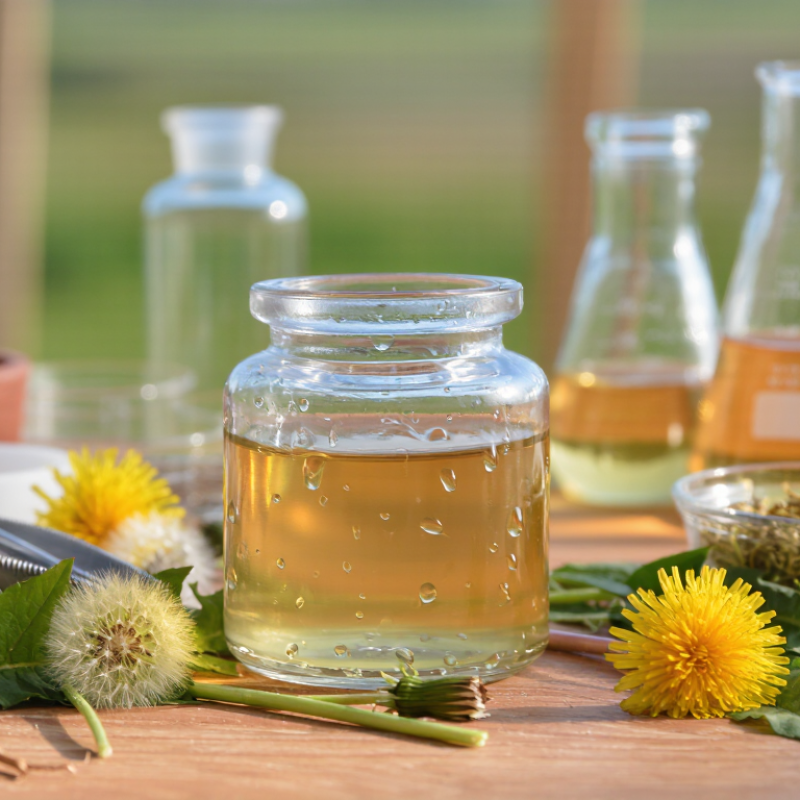
Organic dandelion extract usually comes from Taraxacum officinale roots, leaves, or flowers. Each plant part has a different chemical profile. Roots may contain inulin, while leaves provide more phenolic compounds. Organic status confirms production standards, but it does not guarantee potency, purity, or correct botanical identity. The 2023 HerbalGram Market Report estimated U.S. herbal supplement sales at about $13.2 billion. Growing demand increases the need for reliable sourcing and careful verification.
Supplier quality matters because soil, harvest timing, drying temperature, and extraction solvents can change the final extract. A responsible supplier should provide organic certificates, batch-specific certificates of analysis, and traceability from field to finished powder. Testing should cover pesticides, heavy metals, microbes, residual solvents, and marker compounds. The WHO Global Report on Traditional and Complementary Medicine reported that 170 member states use traditional medicine. That scale makes quality systems more than paperwork. They protect consistency.
Tip: Ask for the plant part, extraction ratio, solvent details, and recent laboratory results. Check whether testing uses validated methods. Do not assume “organic” means contaminant-free. I would also compare several batches, because one clean report proves little. Supplier websites often sound precise. The documents must be precise too.
Supplier quality begins with reliable botanical identification and consistent raw-material composition. The chart below shows selected nutrients naturally present in raw dandelion greens per 100 g, based on USDA FoodData Central data. Extract values vary according to the plant part, extraction ratio, solvent, and standardization method.
Why it matters: Qualified suppliers should verify Taraxacum officinale identity, organic status, contaminant compliance, traceability, and batch-to-batch consistency rather than relying only on a product label.
Organic dandelion extract begins with field management, not a factory invoice. Growers select clean soil and document seed sources, crop rotation, irrigation, and pest controls. Organic rules prohibit most synthetic pesticides and fertilizers, but certification does not guarantee zero residues. Testing remains essential.
FiBL and IFOAM’s 2024 World of Organic Agriculture report recorded 96.4 million hectares under organic management in 2022. That scale shows growth, but dandelion remains highly dependent on local soil conditions. Roots are usually harvested after sufficient maturity, then washed, inspected, sliced, and dried. Controlled drying protects color and volatile compounds. Excessive heat can reduce quality.
Extraction may use water, food-grade ethanol, or both, depending on the target compounds. Qualified processors should verify identity through botanical testing, then screen for heavy metals, microbes, pesticides, and mycotoxins. The World Health Organization’s quality guidance emphasizes documented sourcing, hygienic processing, and batch traceability for herbal materials. These controls should follow the material from field records to sealed containers.
Certification also requires careful reading. USDA organic certification and EU organic certification cover specific operators and processing scopes, not every product automatically. A credible supplier can provide certificates, audit dates, origin records, and a matching batch number. FiBL reports global organic retail sales reached approximately 135 billion euros in 2022. Market size matters less than evidence. One weak assumption remains common: “organic” is treated as a complete quality verdict. It is only one part of a reliable evaluation.
Reliable evaluation begins with plant identity. Suppliers should provide the botanical name, plant part, harvest location, and extraction method. These details help distinguish root extract from leaf or whole-plant material. Organic claims also require current certification from a recognized authority. Certification alone is not enough.
Quality records should include batch-specific certificates of analysis. Check marker compounds, moisture, microbiological limits, heavy metals, pesticides, and residual solvents. Independent laboratory testing adds credibility, especially when results include test methods and detection limits. Ask whether samples match the commercial batch. They should.
Traceability matters. A dependable supplier can link raw material records to processing, packaging, and shipment documents. Evaluate facility hygiene, allergen controls, change management, and complaint procedures. Stability data can reveal how the extract behaves under heat, light, and humidity. Packaging should protect the powder from moisture.
Can the supplier explain its deviation process? Does it retain reference samples? Are sustainability claims supported by harvest records rather than attractive language? These points often separate a documented operation from a polished sales presentation. Still, no scorecard is perfect. Testing may miss problems between batches, and organic status does not prove superior potency. A careful buyer should review evidence repeatedly, not trust one impressive file.
Top Organic Dandelion Extract Suppliers Worldwide
Europe remains a strong region for certified organic dandelion extract, supported by mature botanical standards and traceability systems. Suppliers there often provide standardized extracts, dry root powders, and documentation for food, beverage, and wellness applications. Germany, France, Poland, and nearby markets are notable sourcing areas. Batch records matter.
North America offers suppliers with flexible order volumes and practical formulation support. Many processors work with cultivated roots from controlled farms. Their profiles often include solvent details, extraction ratios, moisture limits, and microbiological testing. Asian suppliers may provide competitive pricing and large production capacity, especially for dried roots and bulk extracts. However, documentation quality can vary between facilities. That deserves careful review.
Tips: Request organic certificates, origin records, recent laboratory reports, and allergen statements before sampling. Check whether the certificate covers the exact product and processing site. Ask for heavy metal, pesticide, microbial, and identity testing. A reliable supplier should explain its harvest season, storage conditions, and packaging materials clearly. Small samples help, but they do not reveal every seasonal difference. A second batch may perform differently. Suppliers with transparent corrections and consistent communication often appear more dependable than those offering only attractive prices.
| Leading Region | Typical Supplier Profile | Common Raw-Material Forms | Typical Extract Formats | Relevant Organic and Quality Requirements | Common Buyer Applications | Key Verification Points |
|---|---|---|---|---|---|---|
| North America | Botanical ingredient processors and contract manufacturers serving dietary-supplement and functional-food producers. | Organic roots Organic leaves Whole herb | Cut-and-sifted herb, powdered root, dry extract, liquid extract and standardized botanical preparations. | USDA National Organic Program requirements may apply to products marketed as organic in the United States. Food and supplement facilities commonly maintain GMP-based quality systems. | Herbal supplements, tea blends, digestive-support products, capsules, powders and functional beverages. | Organic certificate scope, country of origin, pesticide-residue testing, heavy-metal testing, microbiological results and lot traceability. |
| Western and Central Europe | Specialized herbal-extract manufacturers and pharmaceutical-grade botanical processors with established analytical and documentation systems. | Certified organic root Dried leaves Air-dried herb | Powdered botanical material, aqueous extract, hydroethanolic extract, dry extract and ready-to-formulate bulk ingredients. | Organic claims generally require compliance with EU organic production rules, including Regulation (EU) 2018/848 where applicable. ISO 22000, FSSC 22000, HACCP and GMP-based systems are frequently requested. | Botanical supplements, herbal infusions, natural-health products, food ingredients and cosmetic formulations. | EU organic certificate, extraction solvent declaration, allergen statement, contaminant limits, identity testing and stability information. |
| Eastern Europe | Herb-growing cooperatives, drying facilities and extract producers supplying bulk dried botanicals and private-label ingredient distributors. | Wild-collected herb Cultivated root Dried plant material | Crushed root, coarse-cut herb, fine powder and conventional or organic dry extracts, depending on certification scope. | Organic status depends on certified farming or controlled wild collection. Good agricultural and collection practices are important for botanical identity and contamination control. | Tea products, herbal blends, bulk powders, traditional botanical preparations and supplement manufacturing. | Wild-collection documentation, harvest-area records, botanical authentication, drying conditions, pesticide screening and moisture content. |
| China | Large-scale botanical raw-material processors and export-oriented extract manufacturers offering broad format and volume options. | Organic cultivated root Dried leaves Whole plant | Raw powder, water extract, solvent extract, spray-dried extract and customized bulk botanical powders. | Organic products for the Chinese market may be subject to China Organic Certification requirements. Export buyers commonly request HACCP, ISO 22000, GMP or equivalent food-safety documentation. | Dietary supplements, tea and beverage premixes, food ingredients, personal-care products and international contract manufacturing. | Certification validity, complete batch documentation, residual-solvent testing, heavy metals, pesticide residues, microbial limits and supply-chain controls. |
| India | Ayurvedic and botanical ingredient manufacturers, herbal-extract companies and exporters supplying both traditional and modern formulation markets. | Organic root Leaf material Whole herb | Powder, aqueous extract, hydroalcoholic extract, dry extract and formulation-ready botanical blends. | Organic claims require certification under the applicable production and export scheme. Buyers may also require GMP, HACCP, ISO 22000 and documentation supporting botanical identity. | Ayurvedic products, supplements, herbal teas, nutraceuticals, cosmetics and functional-food formulations. | Plant-part specification, extraction ratio, solvent profile, marker-compound testing, microbial analysis and documentation for export compliance. |
| South America | Organic herb farms, botanical processors and regional exporters with access to cultivated and, in some areas, controlled wild-collected plant materials. | Certified organic root Dried herb Whole plant | Dried plant material, milled powder, water-based extract and bulk dry extract for food and supplement use. | Organic certification is generally required for verified organic claims. Export-oriented suppliers may use HACCP, ISO 22000 or equivalent food-safety programs. | Herbal teas, natural foods, supplements, beverage ingredients and cosmetic products. | Farm certification, land-use history, harvest and drying records, pesticide residues, microbial quality and traceability from farm to finished lot. |
| Australia and New Zealand | Quality-focused natural-product suppliers and specialty botanical processors serving premium food, supplement and wellness markets. | Organic cultivated herb Dried root Certified plant material | Powdered herb, dry extract, liquid extract and custom blends for finished-product manufacturers. | Organic certification must correspond to the target market and product claim. Premium buyers commonly emphasize HACCP, GMP, traceability and contaminant control. | Premium supplements, functional beverages, herbal teas, natural foods and wellness formulations. | Country of origin, certification scope, batch testing, stability data, allergen status, packaging suitability and supply continuity. |
| Global Supplier Comparison | Suppliers are best compared by certification coverage, raw-material control, extraction capability, analytical transparency and export experience rather than by region alone. | Root Leaf Whole herb | Whole dried material, cut-and-sifted herb, powder, liquid extract and dry extract. | Core requirements typically include valid organic certification, HACCP or food-safety certification, botanical authentication, contaminant testing and documented traceability. | Supplements, teas, functional foods, beverages, cosmetics and traditional herbal products. | Confirm the exact plant species, plant part, organic status, extraction solvent, extraction ratio, specification sheet, certificate of analysis and minimum order terms. |
Choosing the right organic dandelion extract supplier requires more than comparing prices. FiBL and IFOAM’s World of Organic Agriculture 2024 reported 96.4 million hectares of organic farmland worldwide. This growth increases sourcing opportunities, but it can also complicate traceability. Ask for a current organic certificate, production-site details, and country-specific compliance documents. Confirm whether certification covers the raw dandelion, extraction process, and final product.
Request a batch-specific certificate of analysis before approval. It should show botanical identity, extraction ratio, marker compounds, pesticide residues, heavy metals, microbial limits, and solvent residues. An ISO/IEC 17025-accredited laboratory adds stronger testing credibility. Also inspect the supplier’s harvest records, drying temperature, storage conditions, and packaging controls. Root and leaf extracts are not interchangeable. Their chemical profiles differ. A low price may reflect weaker testing, not better efficiency.
Tips: Ask for a small sample and retain it for comparison. Check whether the supplier can maintain the same specification across three batches. Review complaint procedures and recall records, even if the supplier seems reliable. I have found polished documents can hide incomplete farm-level traceability. That deserves scrutiny. The best supplier should explain its methods clearly, provide evidence promptly, and admit where data remains limited.