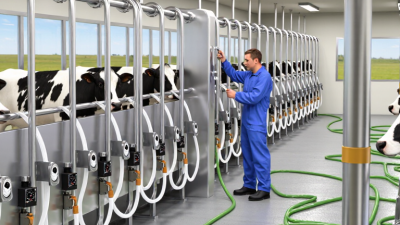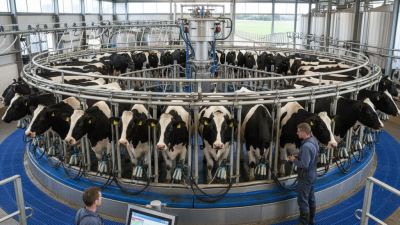

Dairy output depends on more than herd size and feed. The milking area matters too. A slipping liner, poorly placed cluster, or wet floor can interrupt a routine repeated several times each day. Choosing suitable milking parlour equipment is therefore an operational decision, not just a purchase list. The right setup can support consistent milking, cow flow, hygiene, and worker comfort. Yet no single configuration suits every farm.
USDA’s National Agricultural Statistics Service reported that U.S. farms produced about 226 billion pounds of milk in 2023, with an average of roughly 24,117 pounds per milk cow. These figures underline the scale of daily production—and the importance of dependable equipment. They do not, by themselves, prove that a particular parlour design will improve performance. Farm layout, herd size, maintenance practices, and staff training all matter. Small details matter.
This guide covers ten common equipment types, from milking clusters and pulsation systems to wash systems and milk meters. Each component has a distinct role, but performance depends on how the parts work together. A sophisticated system can still create problems if it is difficult to clean or maintain. That point is easy to overlook. Use the list as a practical starting point, then compare options against your herd, workflow, and service needs.
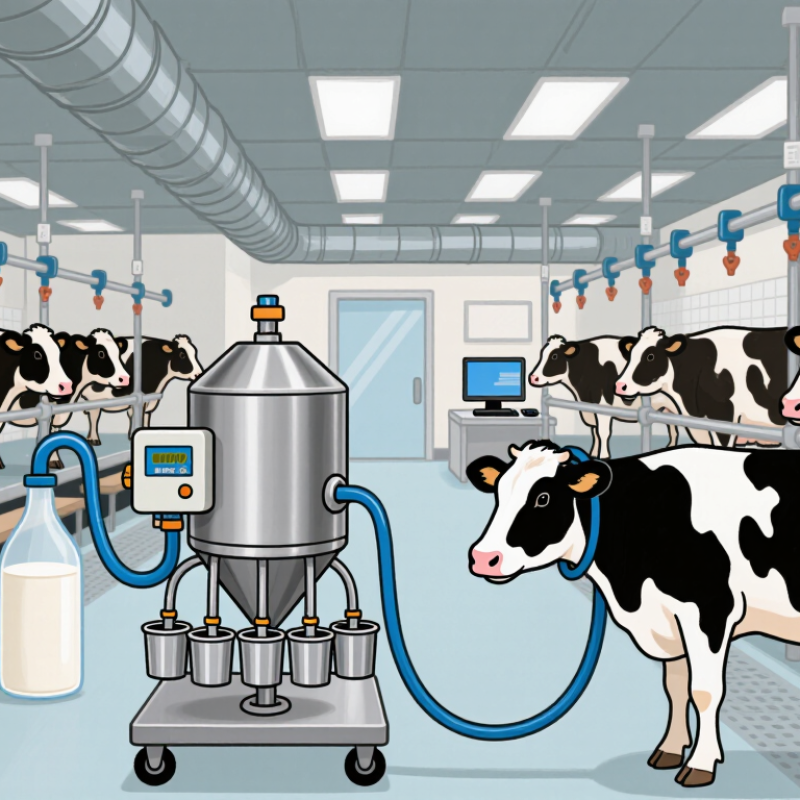
Parlour stalls should hold each cow comfortably while keeping her udder accessible. A stall that is too narrow can restrict movement; one that is too wide may let cows turn or crowd. Set stall dimensions to the herd’s body size, and check them with cows standing naturally, not only against a plan. Neck rails and brisket boards need adjustment too. Small changes matter.
Cow-flow gates guide animals toward the parlour without forcing sharp turns or sudden pressure. Penn State Extension’s milking-center guidance recommends about 15–20 square feet of holding-area space per cow. Use that figure as a planning reference, then watch how cows actually queue. A stalled group, slipping hooves, or repeated reversals may point to poor gate placement, glare, or a noisy hinge. I would not blame the cows first.
Tips: Keep gate movement smooth and quiet. Leave clear sightlines into the parlour, and avoid dead ends in the approach lane. Observe a full milking shift before changing the layout; one awkward corner can disappear during a brief inspection. The exact fit is rarely perfect on the first try.
Milking units, clusters, and pulsators work as one system, but each has a distinct job. The milking unit draws milk from the teat; the cluster connects teat cups to the milk line. A pulsator alternates vacuum and pressure inside each cup liner, allowing the teat to rest between milk-removal phases.
The details matter. A worn liner can lose its shape, while a blocked air vent may disrupt milk flow. Operators should check liners, hoses, and pulsation regularly, not only when a cow’s yield falls.
USDA National Agricultural Statistics Service reported that U.S. milk production reached 226.4 billion pounds in 2023. That scale makes consistent equipment performance important, though national output does not prove that any particular parlour design is best.
In practice, listen for an even pulsation rhythm and inspect clusters for cracks, loose fittings, or trapped residue. Keep service records. They help reveal recurring faults. Pulsator settings should follow equipment specifications and be checked with suitable testing tools; a rhythm that sounds right may still be out of adjustment. One imperfect habit is relying on visual checks alone. Small vacuum leaks can be hard to spot, so scheduled testing matters.
Milk pipelines move milk from the parlour to a receiver with minimal handling. Their diameter and layout should suit the herd’s peak flow, not just its average output. Long runs, sharp bends, and poorly placed joints can slow drainage and complicate cleaning. Keep lines accessible for inspection. Small details matter.
The receiver collects milk before it enters the cooling system. Its capacity should match milking rate and pump performance, so milk does not back up during busy periods. Check float controls, seals, and vacuum connections regularly. A receiver that drains unevenly may leave residue, even when the cleaning cycle appears normal. That is easy to overlook.
Bulk cooling tanks remove heat and hold milk at a controlled temperature until collection. Choose capacity for actual pickup intervals and seasonal production changes, with room for a practical buffer. Use a calibrated thermometer, and confirm that the agitator runs as intended. Clean tank walls, outlet valves, and nearby surfaces after emptying. Check the cooling pattern. A tank can show an acceptable reading while cooling unevenly, so periodic temperature checks at different points are worthwhile. Records also help identify gradual changes in cooling time before they affect milk quality.
Cleaning systems protect milk quality and help keep milking equipment dependable. A well-designed wash circuit moves water and detergent through pipes, liners, and milk-contact surfaces. Operators should follow the equipment maker’s cleaning instructions, including recommended temperatures and chemical concentrations. Water that cools too soon may leave residues behind.
Water temperature matters.
Check filters, drain points, and hoses regularly. A clogged filter or stagnant rinse water can undermine an otherwise careful wash cycle. Keep a simple log of wash temperatures and cleaning checks. It can reveal patterns, though busy shifts sometimes make records incomplete.
That gap deserves attention.
Teat-preparation equipment supports consistent, hygienic milking. Use clean gloves, individual towels, and properly maintained teat-dip containers. Apply pre-milking disinfectant for its specified contact time, then dry each teat fully with a clean towel before attaching the unit.
Never reuse a towel between cows.
Small details matter.
Forestripping into a suitable strip cup can help identify abnormal milk before milking begins. Clean the cup between animals, too. Even a good routine can slip when equipment is awkward to reach, so inspect the work area and adjust supplies where staff can use them without crossing clean and dirty zones.
In practical dairy work, automatic take-offs are among the most valuable parlour tools. They remove the cluster when milk flow falls below a chosen level. This helps reduce unnecessary overmilking. However, incorrect settings can delay removal or detach clusters too early. Staff should check vacuum levels, liners, and sensor cleanliness during routine inspections.
Milk meters provide a clearer view of individual cow performance. They record yield, milking duration, and flow patterns during each session. A sudden change may reveal udder discomfort, equipment problems, or an emerging health concern. Meters need regular calibration. A precise display can still produce poor decisions when its readings are ignored or misunderstood.
Herd-monitoring systems add another layer of observation. Activity collars, rumination sensors, and temperature tools can highlight cows needing attention. A cow standing apart, eating less, or showing reduced rumination deserves a closer check. Technology does not replace trained staff. It can miss quiet symptoms. That matters. The strongest system combines alerts with careful visual inspection, accurate records, and consistent milking routines.
Other useful equipment includes pulsators, vacuum pumps, milk receivers, filters, wash controllers, cooling tanks, and milking clusters. Each part affects hygiene, animal comfort, or workflow. Small maintenance failures can become expensive problems.