
Top 10 Dairy Products to Buy Online for Global Buyers

Buying dairy products online has become easier, but global purchasing still demands careful judgment. A familiar package does not guarantee reliable quality. This guide presents ten dairy products online that may suit international buyers, from aged cheese and butter to milk powder, yogurt, and specialty cream. The selection considers ingredient transparency, shelf life, packaging, storage needs, and shipping practicality. Some products are simple everyday staples. Others offer regional character and premium flavor. Taste matters. So does traceability.

Our evaluation is informed by manufacturer specifications, recognized food safety guidance, and practical observations about online food purchasing. We examine whether sellers explain refrigeration requirements, allergen information, expiration dates, origin, and temperature-controlled delivery. These details can strongly affect the final condition of dairy products after a long journey. A hard cheese may travel well, while fresh yogurt usually needs stricter handling. Buyers should also review local import requirements and confirm whether the seller ships to their destination. Check the label carefully.

No list is flawless. Availability, shipping performance, and product quality can change between suppliers and seasons. Some descriptions may sound impressive but provide limited evidence. That is why this article encourages comparison rather than blind trust. Use the recommendations as a practical starting point. Read product details, inspect seller credentials, and consider storage capacity before ordering. With a measured approach, global buyers can discover dependable dairy choices without overlooking safety, freshness, or real-world delivery challenges.
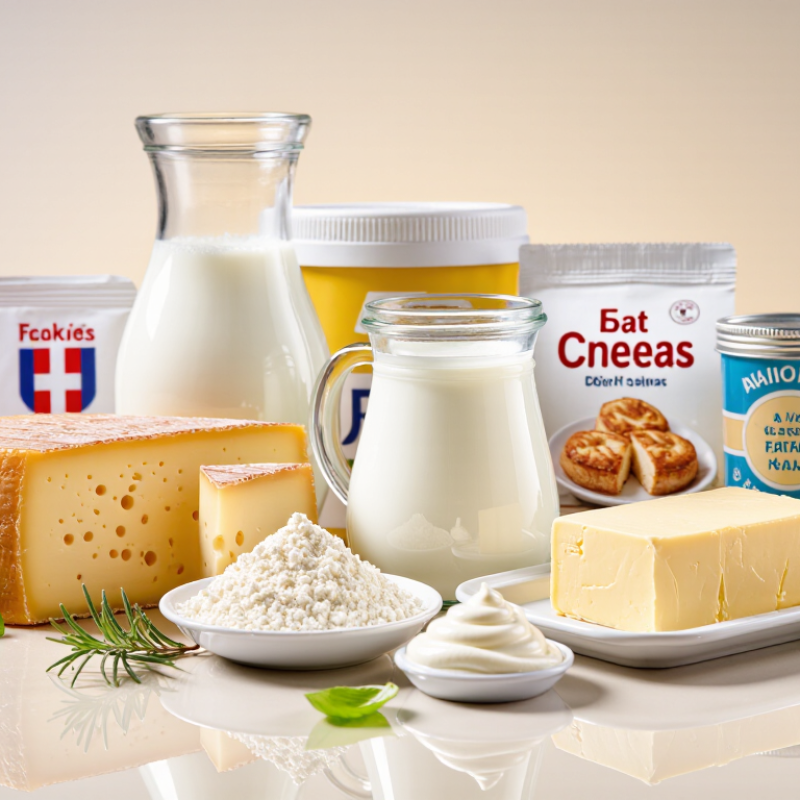
Top 10 Dairy Products to Buy Online for Global Buyers

Understanding the Global Online Dairy Product Market

The global online dairy market is no longer a simple search for milk. Buyers compare fresh milk, UHT milk, milk powder, yogurt, kefir, butter, ghee, cream, soft cheese, and hard cheese. Demand varies by climate, income, diet, and local cooking habits. A buyer in a warm region may prefer shelf-stable UHT milk. Another may choose cultured yogurt for daily breakfasts. Convenience matters, but trust matters more.

A reliable product page should show the milk source, ingredients, allergen details, net weight, expiry date, and storage instructions. It should also explain delivery conditions clearly. Chilled yogurt needs steady refrigeration, while powdered milk usually travels more easily. Broken seals, swollen cartons, or unclear temperature records deserve attention. Food-safety certification can support credibility, but buyers should still check whether documents match the selling market’s requirements. Import rules differ widely across countries.

Online reviews offer useful clues about taste, texture, and packaging damage. They are not perfect evidence. A cheese praised in one country may seem too salty elsewhere. Product photos can also hide small portions or misleading package sizes. I would compare unit prices, not only headline prices. The market is improving, yet cold-chain gaps remain a practical weakness. Careful buyers should question unusually low prices, vague origins, and delivery promises that sound too easy.

The Top Dairy Products Available for International Purchase

Top 10 Dairy Products to Buy Online for Global Buyers

The top dairy products available for international purchase should match climate, shipping time, and local demand. Milk powder, UHT milk, butter, hard cheese, cream cheese, yogurt, condensed milk, whey powder, casein, and milk protein concentrate offer varied commercial uses. Powdered products usually travel more easily. UHT milk suits markets with limited refrigeration. Hard cheese may tolerate longer transit, but temperature abuse can still damage texture and safety.

The OECD-FAO Agricultural Outlook 2024-2033 projects global milk production to grow by about 1.6% annually over the next decade. It also expects developing regions to drive much of this expansion. That trend supports demand for affordable powders, proteins, and shelf-stable products. FAO Food Outlook 2024 highlights how feed prices, weather, and freight disruptions can affect dairy supply chains. Prices can change quickly. Buyers should compare production dates, remaining shelf life, packaging strength, and minimum order quantities before payment.

A practical online purchasing checklist should include ingredient statements, allergen declarations, certificates of analysis, and temperature records. Codex labeling guidance provides a useful reference, but importing rules differ by destination. Read the label carefully. A product advertised as “long-life” may still require controlled storage after opening. I would also question unusually low prices. They may reflect short shelf life, unclear origin, or weak logistics. No ranking fits every market. Dry whey may suit food processors, while butter or cheese may better serve retail demand.

Top 10 Dairy Products to Buy Online for Global Buyers - The Top Dairy Products Available for International Purchase

Rank Dairy Product Typical Commercial Formats Typical Fat Content Typical Unopened Shelf Life Storage Before Opening Main International Buying Advantage Important Import Considerations
1 Whole Milk Powder Pouches, bags, and lined sacks; commonly 500 g to 25 kg Approximately 26–28% 12–24 months Cool, dry place Long storage life and lower transport weight than liquid milk Check moisture limits, dairy import permits, labeling, and certificate-of-analysis requirements
2 Skimmed Milk Powder Multiwall bags, bulk sacks, and resealable pouches; commonly 500 g to 25 kg Usually 0.5–1.5% 18–24 months Cool, dry place High protein content and efficient storage for food manufacturing or reconstitution Verify protein, moisture, microbiological specifications, and intended food-use classification
3 UHT Milk Aseptic cartons or sterilized bottles; commonly 200 ml to 1 liter About 0–3.5% 6–12 months Ambient, away from heat and sunlight No refrigeration is required before opening, simplifying long-distance distribution Packaging must remain undamaged; refrigerate after opening and follow destination labeling rules
4 Cheddar-Style Hard Cheese Vacuum-packed blocks, slices, and grated packs; commonly 200 g to 2 kg Generally 30–35% 3–12 months, depending on maturity and packaging Refrigerated, usually 0–8°C Versatile food-service ingredient with relatively good refrigerated stability Use a validated cold chain; confirm animal-health certificates and destination cheese standards
5 Butter Wrapped blocks, tubs, and food-service cartons; commonly 100 g to 25 kg At least 80% milk fat in many standard classifications 6–12 months frozen; shorter when chilled Refrigerated or frozen Widely used in baking, food service, and household cooking Temperature control is essential; protect from light, odors, and repeated thawing
6 Ghee Glass jars, metal tins, and food-service containers; commonly 250 g to 5 kg Typically 99% or more milk fat 6–24 months, depending on packaging and storage Cool, dry place; refrigerate after opening if specified Low moisture supports longer storage and convenient ambient distribution Check purity requirements, oxidation controls, allergen declarations, and container integrity
7 Sweetened Condensed Milk Cans, tubes, and aseptic pouches; commonly 200 g to 1 kg Usually 8–10% 12–24 months Ambient, away from heat Concentrated, shelf-stable ingredient for desserts, beverages, and bakery products Sugar content and ingredient declarations must meet destination-market regulations
8 Evaporated Milk Cans and aseptic cartons; commonly 170 ml to 1 liter About 6–8% 12–24 months Ambient, away from heat and sunlight Shelf-stable substitute for concentrated milk in cooking, beverages, and baking Inspect cans or cartons for swelling, dents, leaks, and damage before acceptance
9 Milk Protein Concentrate Lined sacks, pouches, and bulk bags; commonly 1–25 kg Varies by grade; commonly 1–10% fat 12–24 months Cool, dry place Provides concentrated dairy protein for nutrition, bakery, beverage, and processed-food applications Confirm protein percentage, solubility, microbiological limits, and food-processing authorization
10 Yogurt Powder Foil pouches, lined bags, and bulk sacks; commonly 500 g to 20 kg Approximately 1–10%, depending on formulation 12–18 months Cool, dry place Adds dairy solids and yogurt flavor without refrigerated transport Check whether live cultures are claimed, along with moisture, acidity, allergen, and reconstitution specifications

Note: Shelf life, fat content, packaging, and storage requirements vary by formulation, processing method, packaging system, and destination-market regulations. Buyers should verify the supplier’s current product specification, certificate of analysis, labeling requirements, and applicable import documentation before purchase.

How to Compare Quality, Freshness, and Nutritional Value

Top 10 Dairy Products to Buy Online for Global Buyers

When comparing online dairy products, freshness deserves more attention than attractive photography. I check the production date, expiry date, storage temperature, and delivery estimate. A sealed package with a clear date is reassuring. However, a long shelf life does not always mean superior quality. Fresh milk, yogurt, kefir, cottage cheese, cream, butter, cheese, milk powder, condensed milk, and custard each require different checks.

Nutritional value should match your daily needs. Plain yogurt usually contains less added sugar than flavored varieties. Compare protein, calcium, saturated fat, sodium, and serving size on the nutrition panel. Cheese can provide useful calcium and protein, but small portions matter because sodium may be high. Milk powder can be convenient for storage, although preparation water and serving size affect its final nutrition.

Quality also depends on handling after purchase. I look for insulated packaging, cold packs, and intact seals when ordering chilled products. A sour smell, swollen container, separated texture, or warm delivery needs caution. Do not taste questionable dairy to “test” it. Product descriptions can be incomplete, especially across countries. I once focused too heavily on nutrition numbers and overlooked shipping conditions. That was a useful mistake. Independent laboratory testing, transparent ingredient lists, and recognized food-safety certification offer stronger evidence than reviews alone.

Packaging, Cold-Chain Shipping, and Import Requirements

Top 10 Dairy Products to Buy Online for Global Buyers

For global buyers, product choice begins with packaging and temperature control. The practical list includes milk powder, UHT milk, butter, cheese, yogurt, cream, ghee, condensed milk, whey powder, and ice cream. Dry products usually travel more easily. Fresh yogurt and soft cheese need stricter handling. Use food-grade, sealed packaging with tamper evidence. Moisture barriers protect powders from clumping. Vacuum packs can reduce oxidation in butter and some cheeses. Packaging is not decoration.

Cold-chain planning must match the product, not the seller’s promise. Chilled dairy commonly requires continuous storage near 0–5°C, while frozen products require about –18°C. Exact limits depend on national rules and product specifications. The FAO State of Food and Agriculture highlights substantial food loss before retail, showing why weak logistics matter. Use insulated cartons, gel packs, temperature loggers, and validated transit times. A logger is useful. It can expose a failed handoff. However, one logger cannot prove every carton stayed safe.

Import preparation needs equal attention. Codex CXS 1-1985 supports clear labels, lot identification, dates, ingredients, and storage instructions. Buyers should also verify veterinary certificates, health documents, allergen declarations, tariff codes, and destination-country registration. The International Dairy Federation’s dairy trade guidance stresses traceability and documented controls across the supply chain. Rules differ widely. That is the difficult part. I would request a pre-shipment document review and a sample shipment before ordering pallets. Mistakes still happen, especially with translated labels and customs delays.

Top 10 Dairy Products to Buy Online for Global Buyers

Typical unopened shelf life by product category, with packaging, cold-chain shipping, and import considerations.

Packaging

Use aseptic cartons or retort cans for shelf-stable products, moisture-barrier bags for milk and whey powders, and sealed insulated packaging for chilled products. Packaging should protect against light, oxygen, moisture, and physical damage.

Cold-chain shipping

Fresh milk, yogurt, and soft cheese generally require refrigerated transport at approximately 0–4°C. Butter and hard cheese often tolerate chilled transport, while frozen dairy products require a frozen chain. Confirm the supplier’s validated temperature range before ordering.

Import requirements

Global buyers should verify the HS code, importer registration, sanitary or veterinary certificates, country-of-origin rules, allergen declarations, ingredient and nutrition labeling, shelf-life rules, and destination-country dairy quotas or permits.

Shelf-life figures are representative commercial ranges for unopened products stored under manufacturer-specified conditions. Actual shelf life varies by formulation, processing method, packaging, and destination-market regulations.

Choosing Reliable Online Dairy Suppliers Worldwide

For global buyers, reliable online dairy suppliers matter more than attractive product photos.

The best suppliers clearly list milk, cheese, butter, yogurt, cream, milk powder, whey powder, condensed milk, ice cream, and infant-free dairy ingredients. Product pages should show origin, fat content, processing method, pack size, and remaining shelf life. Vague descriptions create expensive problems.

I check whether suppliers publish current certificates, batch numbers, allergen statements, and storage temperatures. A dependable exporter can provide factory audits, laboratory reports, and traceable lot records without hesitation.

For chilled products, ask for temperature logs from loading to arrival. Refrigerated cheese should not travel like ordinary dry cargo.

Packaging also needs attention. Strong cartons, sealed inner bags, and moisture protection reduce damage during long international routes.

Payment terms and shipping documents reveal practical reliability. Confirm minimum order quantities, lead times, customs paperwork, insurance, and accepted delivery terms before placing an order.

Samples help, but one successful sample does not prove consistent production. I once focused too much on price and overlooked the supplier’s replacement policy; that mistake could have been costly.

Ask how they handle delays, damaged cartons, and temperature excursions. Response speed matters too. Slow replies often become slower solutions.

Still, no checklist is perfect. Seasonal milk supply, port congestion, and changing import rules can affect even careful suppliers. Choose partners who explain these risks openly and document each shipment clearly.